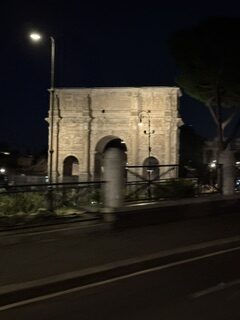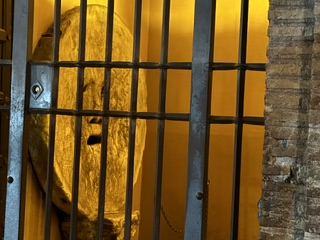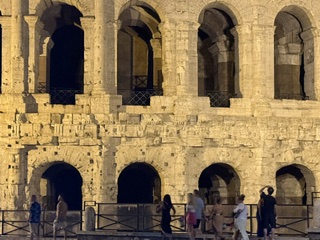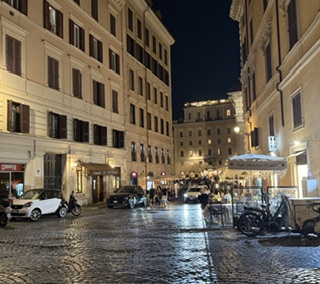
I love a good vacation, like anyone else and this summer seemed like the perfect time to get one on, here goes…
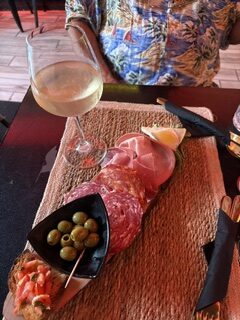
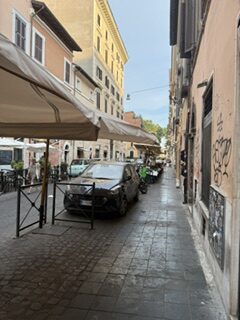
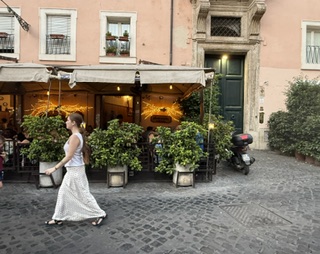
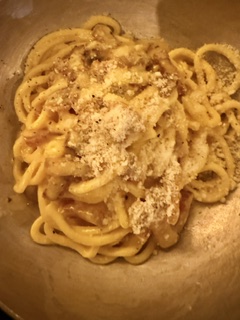
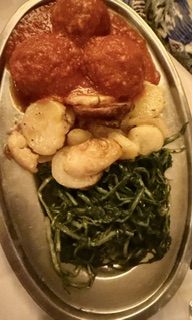
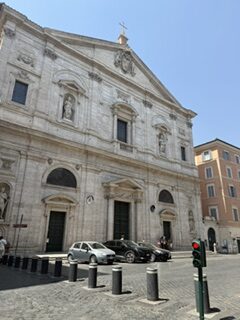
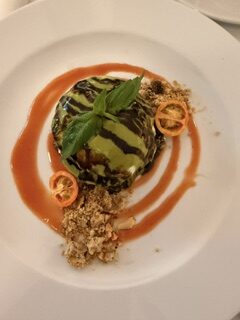
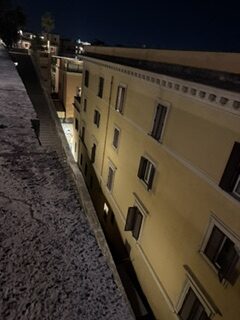
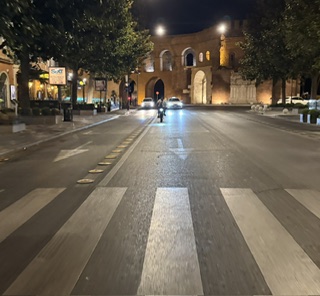
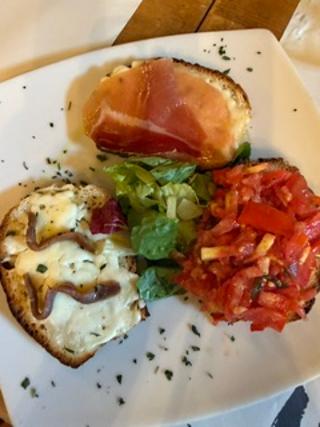
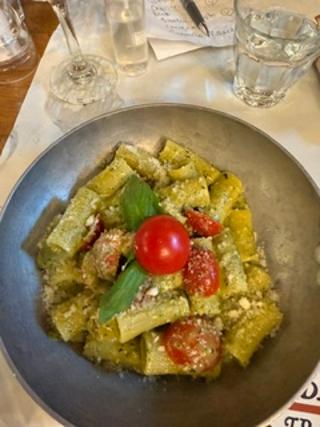
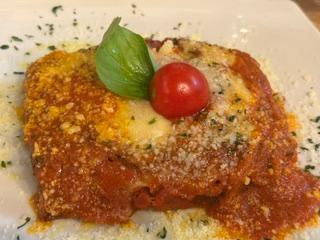
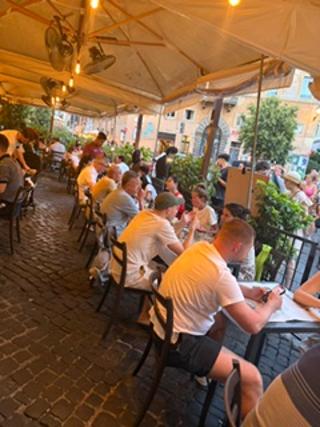
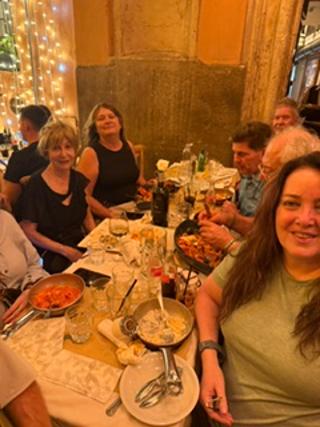
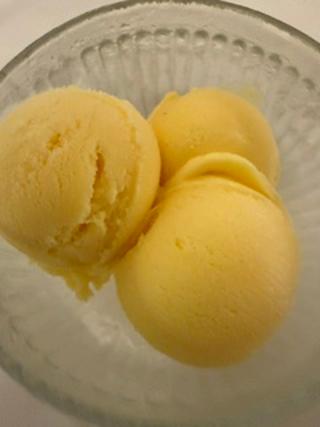
Thursday – August 6, 2026 – Arrive in Rome, check into my Airbnb. It is an old area but has been regentrified. it is filled with restaurants, plazas, fun stores, hipsters. Get settled in, then go for aperitivos, champagne and free cured meats, then went and had a gelato walked around this cute little neighborhood. Then went out for dinner at Nanzerella. Had meatballs and carbonara pasta, Bellissimo. Then took a drive to Trevi with a cab. There were so many tourists and witnessed a robbery in progress, which is so common there. I have been told to watch out at the local tourists areas.
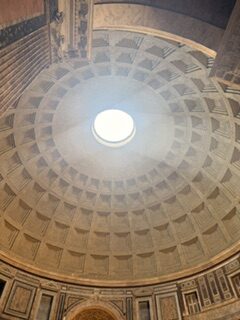
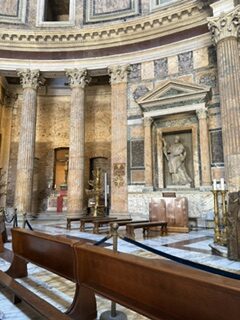
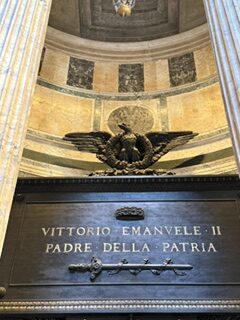
Friday – August 7, 2026 – My jet lag was not great, but managed to see the Pantheon. It was very hot, but inside the Pantheon it was cool and beautiful. Such amazing history, such a stellar building. Roman architecture doesn’t get much more awe-inspiring than the Pantheon. Erected in the Field of Mars (Campus Martius), just outside the city walls where the Roman army used to train, the Pantheon was the centerpiece of an elaborate monumental theme park which marked Rome’s transition from a city of brick to a city of marble. The Pantheon’s famous dome, still the largest freestanding dome in the world, and imposing temple colonnade are now among the most recognizable icons of the Eternal City. But they mask a building with a fiendishly complicated history, which even the ancients writing 200 years after the Pantheon’s completion were debating. “Agrippa finished the construction of the building called the Pantheon. It has this name, perhaps because it received among the images which decorated it the statues of many gods, including Mars and Venus; but my own opinion of the name is that, because of its vaulted roof, it resembles the heavens.” Cassius Dio (Roman historian writing in the 3rd century AD) Our first clue to understanding the purpose of the Pantheon comes from the word Pantheon itself. The ancient Roman aristocracy was practically bilingual in Latin and Greek, and it was from the latter they derived the name of this temple. The Greek word for “all” was pan and the Greek for “gods” was theos. Hence the name and purpose of the Pantheon: as a temple built in honor of all the Roman gods. Paradoxically, both the peace he’d brought and the war he’d fought to secure it. Entrusted with carrying out this building project was Marcus Agrippa, the emperor’s right-hand man, contemporary, and son-in-law through his marriage to Augustus’ daughter Julia.
The Pantheon of Marcus Agrippa – We don’t know much about what Agrippa’s Pantheon looked like. What we do know is that he hired some of the ancient world’s finest artists, like Diogenes of Athens, to decorate it. And inside stood a statue of Venus whose earrings were made from Cleopatra’s pearls. Agrippa built several other structures in the Campus Martius, including some public baths (the Baths of Agrippa) and the Basilica of Neptune, which housed artefacts from Augustus’ naval victory at Actium. In fact, look behind the Pantheon today and you can still see the remains of this Basilica of Neptune. Building the Pantheon – The original Pantheon was built around 25 BC in the wake of the first emperor Augustus’ victory over his famous rivals Mark Antony and Cleopatra at the Battle of Actium in 31 BC. Not satisfied merely with winning, Augustus wanted to advertise his victory. So he financed an elaborate building project throughout the city, celebrating, paradoxically, both the peace he’d brought and the war he’d fought to secure it.
Entrusted with carrying out this building project was Marcus Agrippa, the emperor’s right-hand man, contemporary, and son-in-law through his marriage to Augustus’ daughter Julia.
Did some shopping in and around this area, the sun was blazing hot, temperature was 102 in the shade. I would tell my readers go to Europe in May or October, not August. This summer was unusually hot in all of Europe. This was the fifth heat wave since early June, and it is very humid, not like Southern California, more like Florida. There were also many wildfires, sounds familiar, and there is no Global Warming, really!!
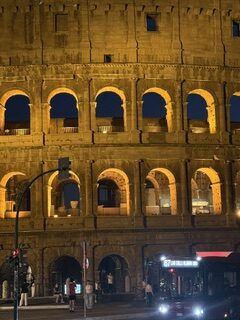
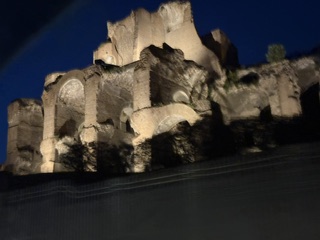
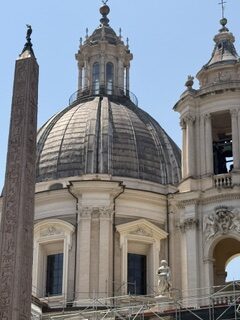
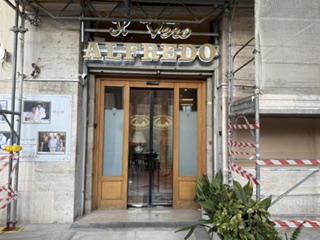
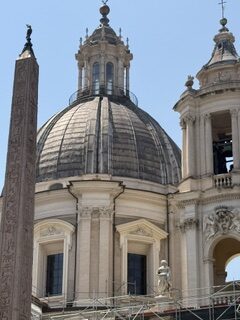
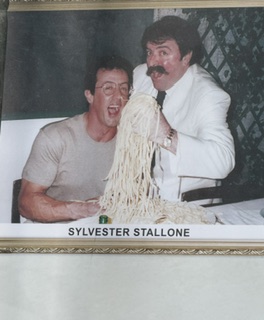
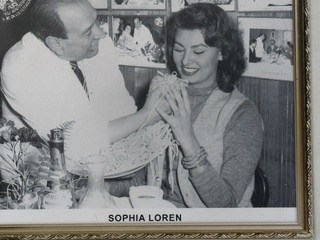
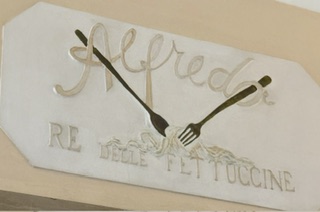
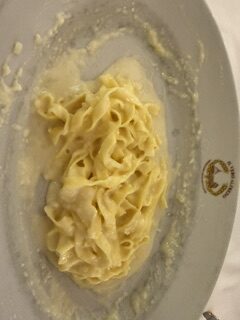
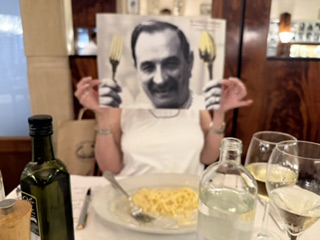
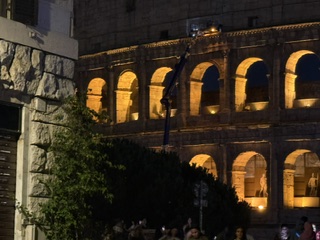
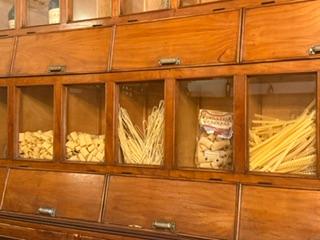
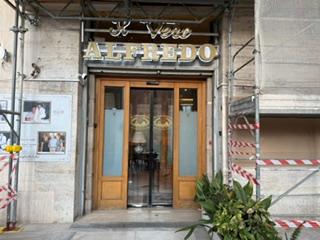
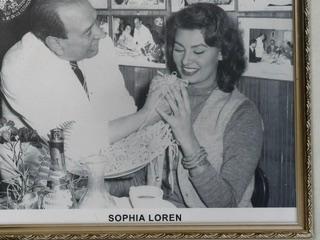
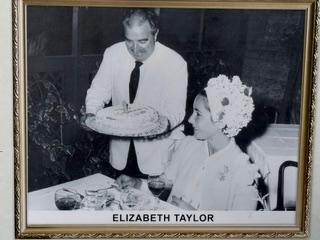
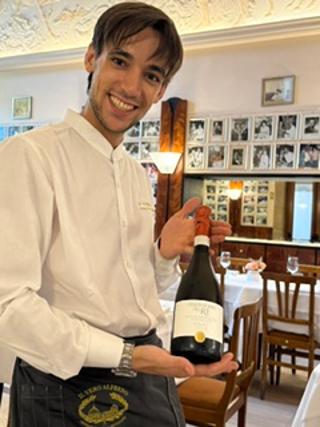
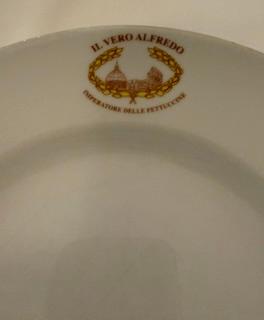
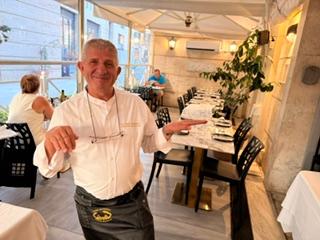
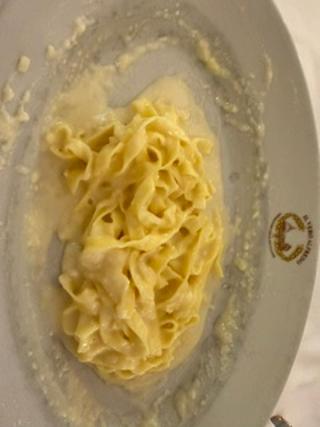
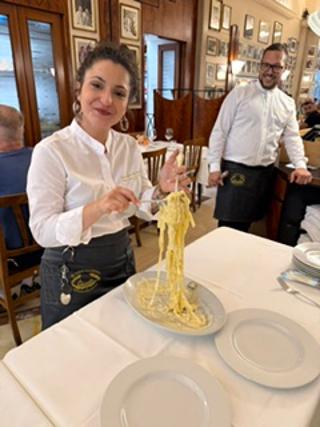
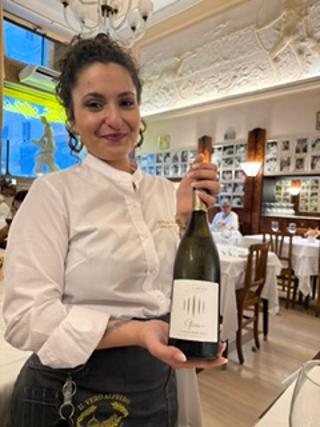
I had a tasting at Il Vero for lovely Fettuccine Alfredo. Then took the golf cart in and around Rome and saw lots of highlights. Golf Cart Tour: Witness the magical atmosphere as Rome slips into at dusk on this private nighttime golf cart tour. See the roman streets come alive with street artists and nightlife. See the incredible attractions of Rome all lit up, such as the Colosseum. Some of Rome’s top attractions look even more incredible at night, such as St. Peter’s Basilica, Piazza Navona (Navona Square), the Colosseum, the Pantheon, Pincio, Janiculum, Capitoline Hill, Trevi Fountain, the Spanish Steps, and Sant’Angelo Castel. After pickup, hop aboard the golf cart and travel along the narrow characteristic streets and through the evocative squares. Get plenty of unbeatable photo opportunities as you see the beauty of Rome after sunset. It was a long day and night, I was exhausted, but it really gave me a birdseye view of what is all of the major tourist spots in Rome at Night.
Saturday – August 8, 2026 – I took most of the day to work. My travel companion went to the “Bone Museum” in Rome is the Museum and Crypt of the Capuchin Friars, located beneath the church of Santa Maria della Concezione dei Cappuccini on Via Vittorio Veneto, not my cup of tea, but it was enjoyable just the same.
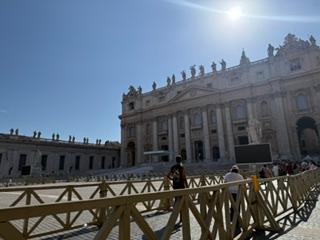
Sunday – August 9, 2026 – Got there early and went to the flea market. It was so hot and most of the items were Chinese imports, so my well thought out plans of doing most of my purchases here were to no avail. I did but some fun gifts and beautiful scarves, but no shoes and no luxury brands as planned. Went back to my room and then decided to do a late afternoon trip to the Vatican. https://www.basilicasanpietro.va/en/san-pietro
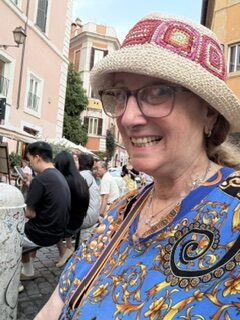
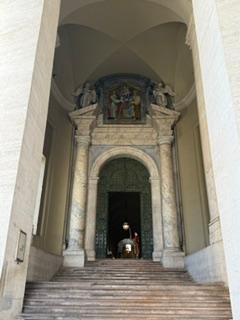
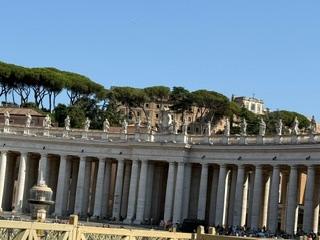
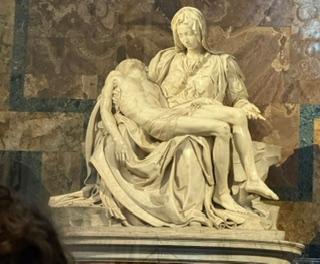
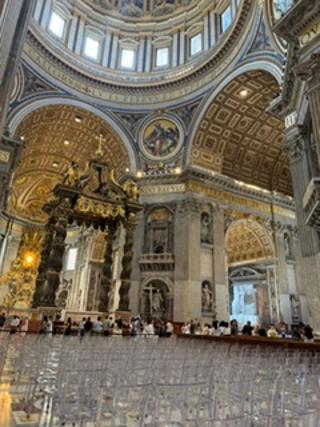
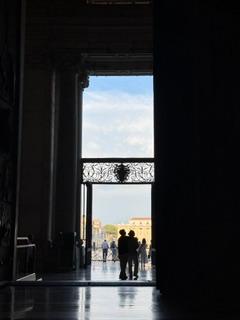
St. Peter’s Basilica is a massive Renaissance church located in Vatican City, serving as the center of the Catholic Church. Vatican City, an independent country inside Rome, Italy. Construction on the current building started in 1506 and finished in 1626. Famous artists like Michelangelo, Bramante, and Bernini helped design it. It houses Michelangelo’s famous sculpture, the Pietà. Entry to the church is free but expect long lines. You can book digital audio guides or dome access through the Official Website of St. Peter’s Basilica. I was really taken, they had a mass going with The Cardinal, he walked by me and gave me a blessing. I had a medallion of Pope Leo XIV around my neck that I had bought at a souvenir shop the day before. Sitting in the church pews I cried, it was all very moving to me. It just came over me, I do not know why, but I loved being there. One of my true highlighted in Rome.
The Papal Basilica of Saint Peter in the Vatican (Italian: Basilica Papale di San Pietro in Vaticano), or simply St. Peter’s Basilica (Latin: Basilica Sancti Petri; Italian: Basilica di San Pietro [baˈziːlika di sam ˈpjɛːtro]), is a church of the Italian Renaissance located in Vatican City, an independent microstate enclaved within the city of Rome, Italy. It was initially planned in the 15th century by Pope Nicholas V and then Pope Julius II to replace the ageing Old St. Peter’s Basilica, which was built in the fourth century by Roman emperor Constantine the Great. Construction of the present basilica began on 18 April 1506 and was completed on 18 November 1626.
Designed principally by Donato Bramante, Michelangelo, and Carlo Maderno, with piazza and fittings by Gian Lorenzo Bernini, Saint Peter’s is one of the most renowned works of Italian Renaissance architecture and is the largest church in the world by interior measure. While it is neither the mother church of the Catholic Church nor the cathedral of the Diocese of Rome (these equivalent titles being held by the Archbasilica of Saint John Lateran in Rome), Saint Peter’s is regarded as one of the holiest Catholic shrines. It has been described as “holding a unique position in the Christian world”, and as “the greatest of all churches of Christendom“.
Catholic tradition holds that the basilica is the burial site of Saint Peter, chief among Jesus‘s apostles and also the first Bishop of Rome (Pope). Saint Peter’s tomb is directly below the high altar of the basilica, also known as the Altar of the Confession. For this reason, many popes, cardinals and bishops have been interred at St. Peter’s since the Early Christian period.
St. Peter’s is famous as a place of pilgrimage and for its liturgical functions. The pope presides at a number of liturgies throughout the year both within the basilica or the adjoining St. Peter’s Square; these liturgies draw audiences numbering from 15,000 to over 80,000 people. St. Peter’s has many historical associations, with the early Christian Church, the Papacy, the Protestant Reformation and Catholic Counter-Reformation and numerous artists, especially Michelangelo. As a work of architecture, it is regarded as the greatest building of its age.
St. Peter’s is ranked second, after the Archbasilica of Saint John Lateran, among the four churches in the world that hold the rank of major papal basilica, all four of which are in Rome, and is also one of the Seven Pilgrim Churches of Rome. Contrary to popular misconception, it is not a cathedral because it is not the seat of a bishop.
View from the Tiber on Ponte Sant’Angelo and the Basilica. The iconic dome dominates the skyline of Rome. St. Peter’s is a church built in the Renaissance style located in the Vatican City west of the River Tiber and near the Janiculum Hill and Hadrian’s Mausoleum. Its central dome dominates the skyline of Rome. The basilica is approached via St. Peter’s Square, a forecourt in two sections, both surrounded by tall colonnades. The first space is oval and the second trapezoidal. The façade of the basilica, with a giant order of columns, stretches across the end of the square and is approached by steps on which stand two 5.55-metre (18.2 ft) statues of the first-century apostles to Rome, Saints Peter and Paul.
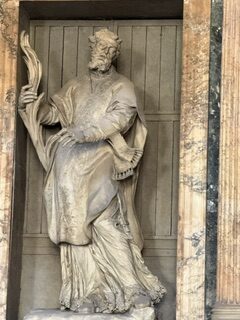
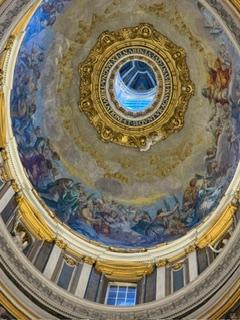
The basilica is cruciform in shape, with an elongated nave in the Latin cross form but the early designs were for a centrally planned structure, and this is still in evidence in the architecture. The central space is dominated both externally and internally by one of the largest domes in the world. Set into the niches of the dome’s four gargantuan support piers are colossal statues representing the four major holy relics believed to be held in the basilica: St. Longinus with his spear, St. Helena with the True Cross, St. Veronica with her veil, and St. Andrew, whose skull was possessed by the Vatican until the 20th century. The entrance is through a narthex, or entrance hall, which stretches across the building. One of the decorated bronze doors leading from the narthex is the Holy Door, opened only during jubilees.
The dome viewed from the Vatican Museum – The interior dimensions are vast when compared to other churches. One author wrote: “Only gradually does it dawn upon us – as we watch people draw near to this or that monument, strangely they appear to shrink; they are, of course, dwarfed by the scale of everything in the building. This in its turn overwhelms us.”
The nave which leads to the central dome is in three bays, with piers supporting a barrel vault, the highest of any church. The nave is framed by wide aisles which have a number of chapels off them. There are also chapels surrounding the dome. Moving around the basilica in a clockwise direction they are: The Baptistery, the Chapel of the Presentation of the Virgin, the larger Choir Chapel, the altar of the Transfiguration, the Clementine Chapel with the altar of Saint Gregory, the Sacristy Entrance, the Altar of the Lie, the left transept with altars to the Crucifixion of Saint Peter, Saint Joseph and Saint Thomas, the altar of the Sacred Heart, the Chapel of the Madonna of Column, the altar of Saint Peter and the Paralytic, the apse with the Chair of Saint Peter, the altar of Saint Peter raising Tabitha, the altar of St. Petronilla, the altar of the Archangel Michael, the altar of the Navicella, the right transept with altars of Saint Erasmus, Saints Processo and Martiniano, and Saint Wenceslas, the altar of St. Jerome, the altar of Saint Basil, the Gregorian Chapel with the altar of the Madonna of Succour, the larger Chapel of the Holy Sacrament, the Chapel of Saint Sebastian and the Chapel of the Pietà. The Monuments, in a clockwise direction, are to: Maria Clementina Sobieska, The Stuarts, Benedict XV, John XXIII, St. Pius X, Innocent VIII, Leo XI, Innocent XI, Pius VII, Pius VIII, Alexander VII, Alexander VIII, Paul III, Urban VIII, Clement X, Clement XIII, Benedict XIV, St Peter (Bronze Statue), Gregory XVI, Gregory XIV, Gregory XIII, Matilda of Canossa, Innocent XII, Pius XII, Pius XI, Christina of Sweden, and Leo XII.
At the heart of the basilica, beneath the high altar, is the Confessio or Chapel of the Confession, named in reference to the confession of faith by St. Peter, which led to his martyrdom. Two curving marble staircases lead to this underground chapel at the level of the Constantinian church and immediately above the purported burial place of Saint Peter. Pope Gregory XVI granted a “perpetual privilege” in 1836 authorizing any Catholic priest to celebrate Mass at the altar in the chapel.
The entire interior of St. Peter’s is lavishly decorated with marble, reliefs, architectural sculpture and gilding. The basilica contains a large number of tombs of popes and other notable people, many of which are considered outstanding artworks. There are also a number of sculptures in niches and chapels, including Michelangelo‘s Pietà. The central feature is a baldachin, or canopy over the Papal Altar, designed by Gian Lorenzo Bernini. The apse culminates in a sculptural ensemble, also by Bernini, and containing the symbolic Chair of Saint Peter.
Monday – August 10, 2026 – Checking out of my lovely Airbnb and getting a driver to the Port of Civitavecchia, which is the primary cruise port serving Rome, located about 50 miles (80 kilometers) northwest of the city center.
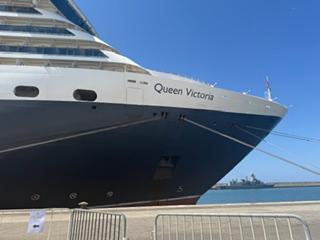
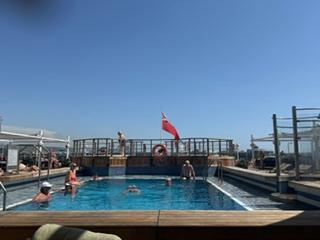
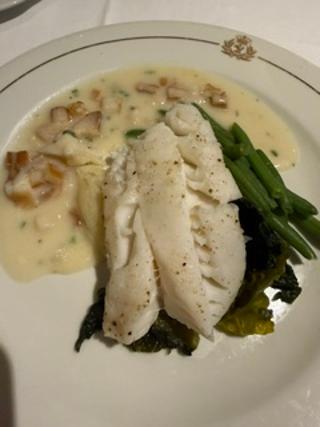
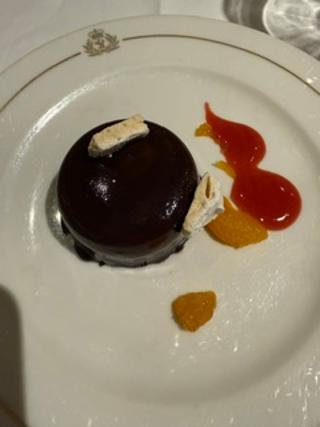
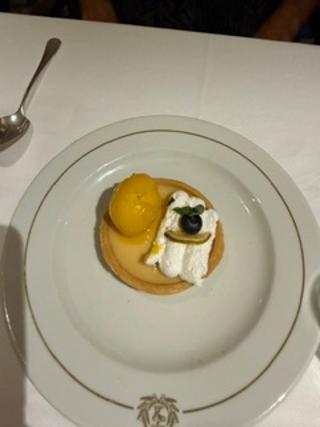
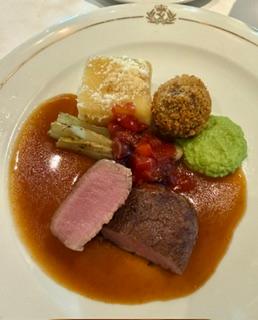
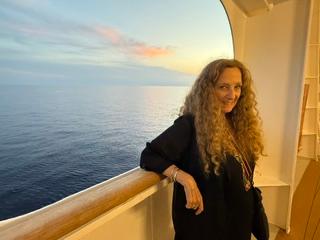
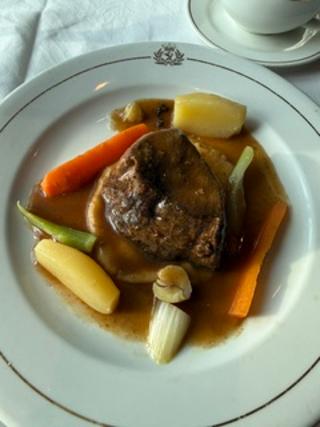
Our lovely ship The Queen Victoria, was birthed there. Upon entering I met our stateroom steward – Celeria. A lovely elder Filapino lady who would be taking care of me there the whole seven-day cruise. I went down to the buffet and indulged my tastebuds and my senses. After that I found the promenade with the lounge chairs and told my travel companion – “if you can’t find me at all on the cruise this is where I will be”. I love the 3rd floor promenade on all cruise ships; it is where you can walk or lounge and watch the sea go by. I went to the pool and took a nice hot tub. Dinners on the ship were well presented and delicious, my favorite part of our dining experiences, dinner. I slept really well. My bed was like a soft puffy cloud.
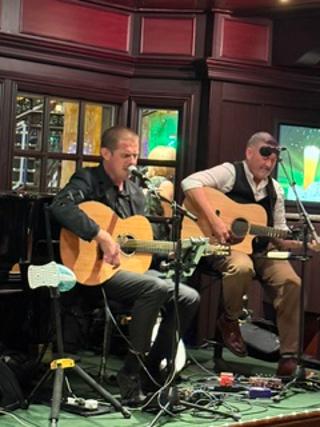
Tuesday – August 11, 2026 – I had room service breakfast brought in and loved every minute of it. Some part of the breakfast is English, but some of it is typical American fare. We were at sea all day, so you can check out all of the fun things to do at sea. I took a chorus singing class and then I went and had high tea. A lot of food today, I also had a delicious sit-down dinner before checking out some of the onboard entertainment.
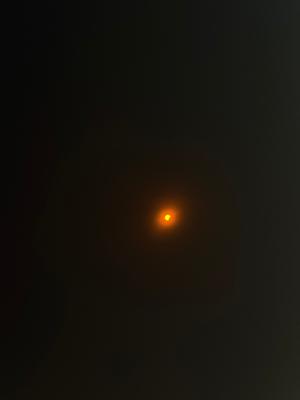
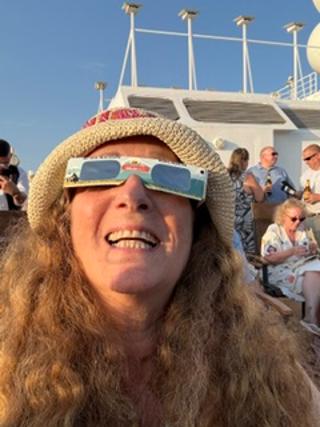
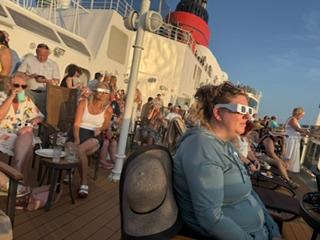
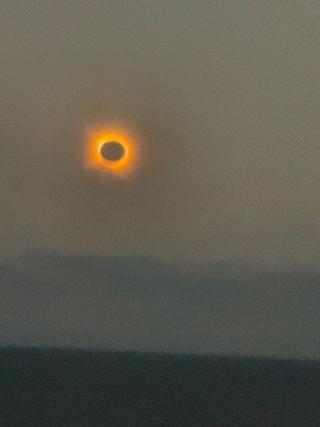
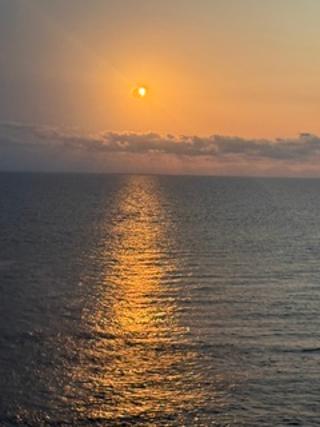
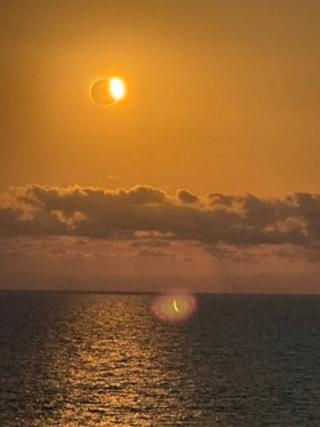
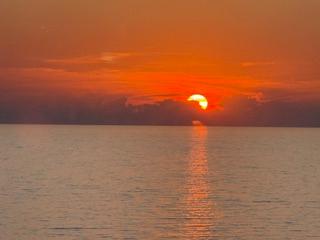
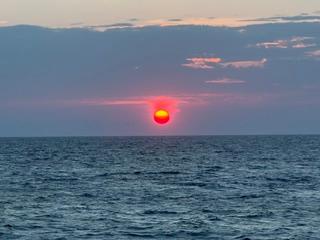
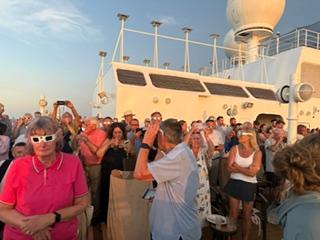
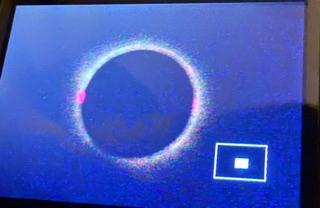
Wednesday – August 12, 2026 – We docked in Tarragona, I took a shuttle off the ship, went to their little walled in village. I met Charlie a gal from Seattle who had just recently moved to Barcelona to get away from our current administration. In Tarragona I did a little shopping. I bought a beautiful back suede handmade bag, and I some gifts to take home. My rule of thumb, when traveling if you see something you like, buy it then and there. You don’t know if you will make it back to that store, and comparison shopping in Europe is a waste of time. So, you like it, buy it!!! Heading back to the ship for the solar eclipse. My travel companion was eager to photograph the eclipse, he had a lot of camera equipment that he had to figure out how to use it. We had burgers at the pool and then my travel companion headed up to his perch for the viewing of eclipse. I went back to the stateroom and relaxed. By 7:30pm, I went up to the top deck, which was all set up for viewing. Everyone had the special glasses. We watched the solar eclipse. It was one of the most miraculous things I had ever seen in my life. The eclipse lasted for 1 solid minute. It was just amazing. We had full view with no cloud cover until the sun went complexly went down and then the clouds appeared to be blocking the rest of the eclipse show. You can feel a total shift, the air is different and it gets kind of spooky, with the light dimming. But really it is an experience that you cannot describe, it’s just the feeling of how every changes leading up to it, during totality and then after. Something I probably will not ever experience, so I am very grateful!
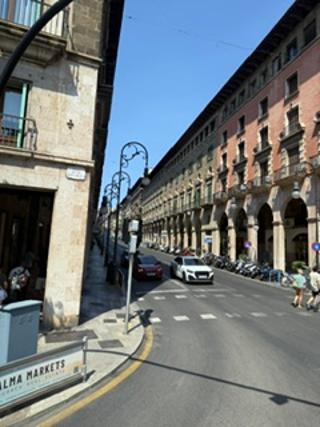
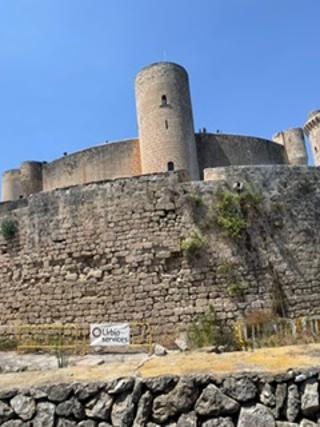
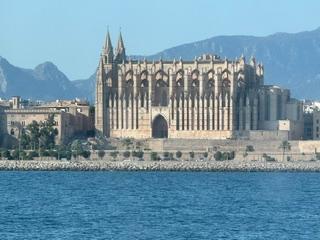
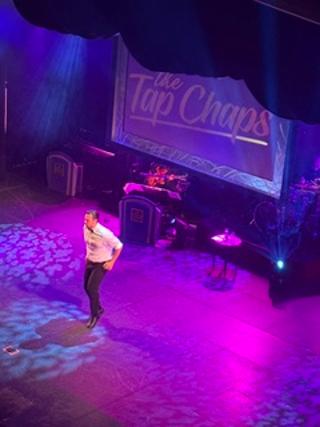
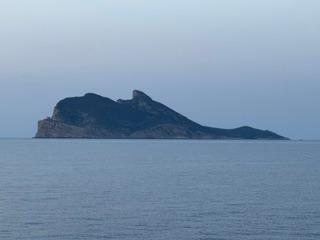
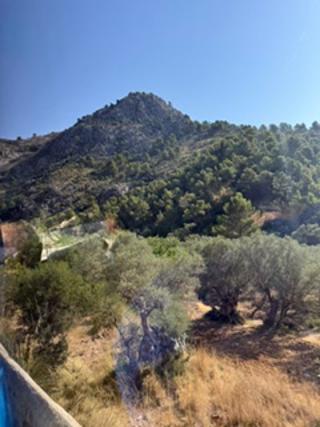
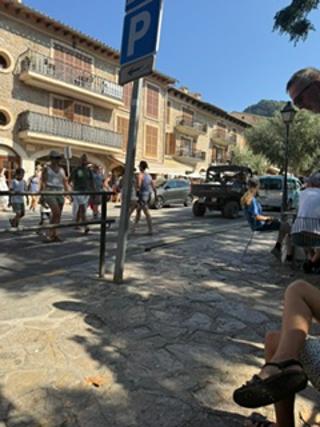
Thursday – August 13, 2026 – Our next stop was Mallorca, I took an excursion. We went to the little town of Valldemossa. A hill town, with lovely views and Cathedrals, very sweet. I went shopping and had the perfect cappuccino. We then went to a castle as well, very fun. Back on the ship had a nice dinner then saw the tap-dancing show.
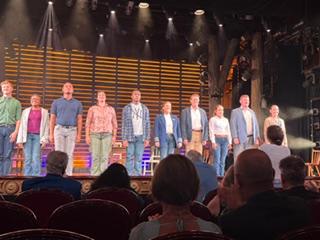
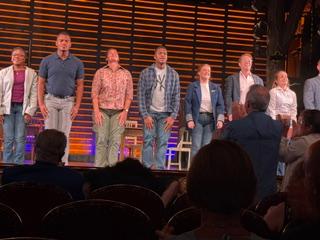
Friday – August 14, 2026 – I really do love the times when we are at sea, you get to slow down and enjoy the various activities that ship has to offer or just lollygag and do nothing. I saw the show “Come From Away”, which was really fantastic.
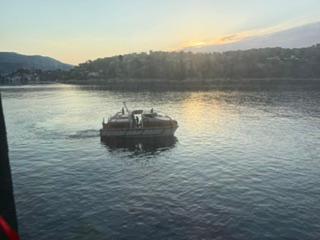
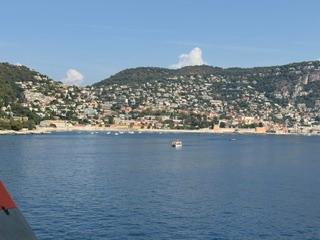
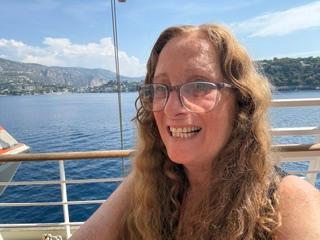
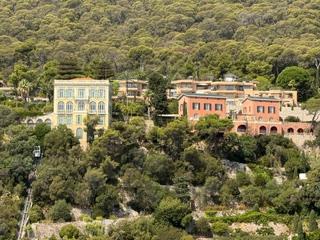
Saturday – August 15, 2026 – To get to any excursion you had to take a tender, so for me this was a golden opportunity to stay on board, do laundry and lounge on the promenade. There were so many fun activities going on around the ship in the water that I just loved hanging out and seeing all there was to see in the tiny port of Villefranche-Sur-Mer port- French Riviera located in a deep natural bay between Nice and Monaco. My excitement was watching a lifeboat be put in the harbor and then taken out. But this is what I needed, a day to watch the world go by.
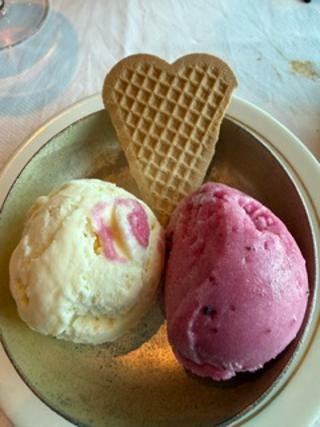
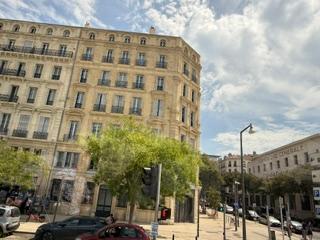
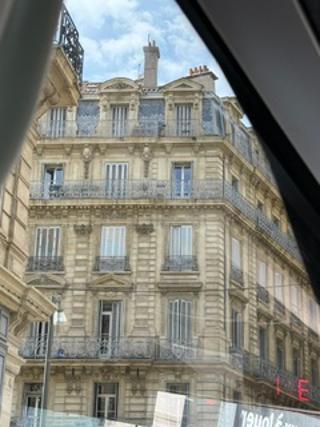
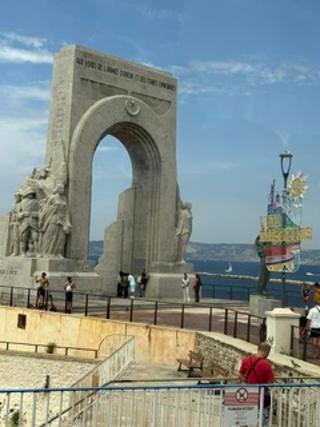
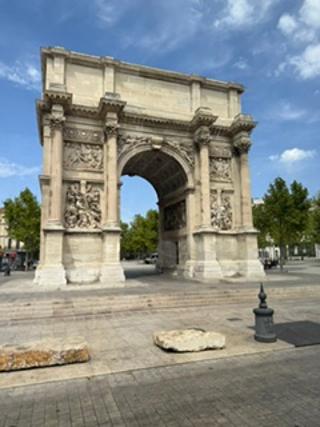
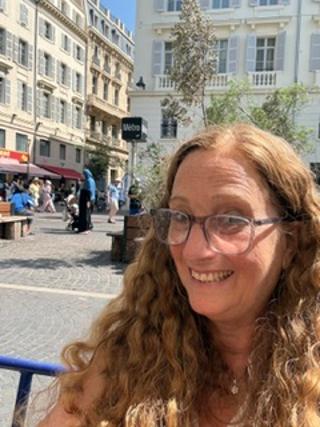
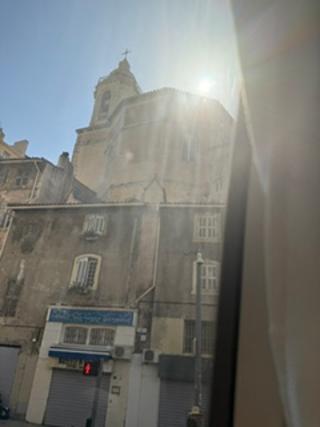
Sunday – August 16, 2026 – We docked in the port of Marseille, I took an excursion. The bus went to the old port where we were able to get out and do some shopping, have an ice-cream and a cappuccino and go to a soap factory. A great day was had. Those Spaniards really love those hit summer beach days. Seeing all of the beach goers, sunbathing on the rugged rocks. My last night on the ship, I had dinner with my new friends Eric and Nicole, eclipse buddies from New Mexico. I was so enamored by them; he actually bought a high school in New Mexico and turned it their residence. I went back to my stateroom and packed everything up to exit the ship for Barcelona the next day.
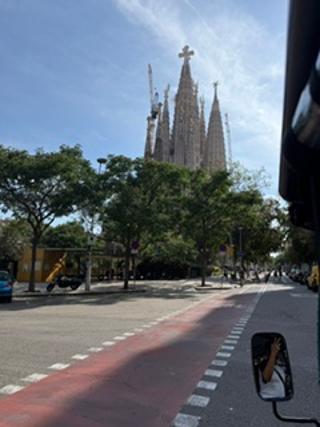
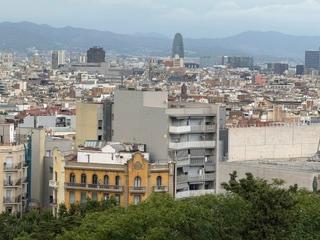
Monday – August 17, 2026, took a cab to my Airbnb in the Sagrada neighborhood of Barcelona. A great apartment with two decks. One of the decks had a retractable awning and an outdoor dining set, where you could see the ocean. But the windows and deck in the primary bedroom had an amazing view of the Sagrada Familia which was only one block away. I took a tuk tuk tour and saw all of Barcelona and then went to a lovely restaurant for Paella and Salad.
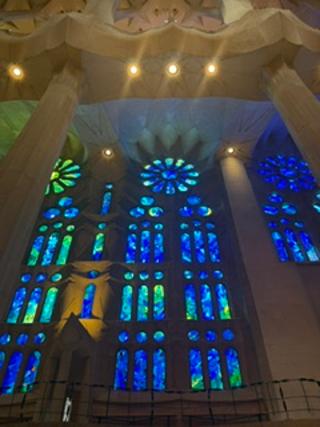
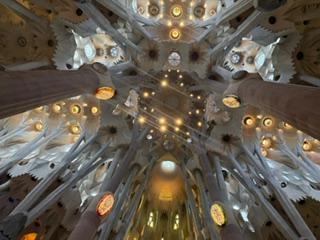
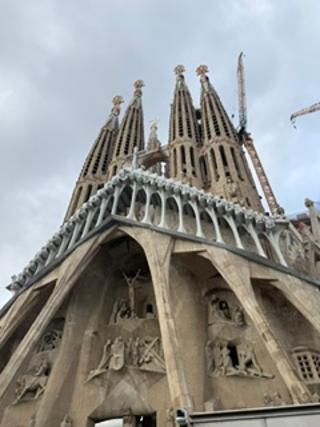
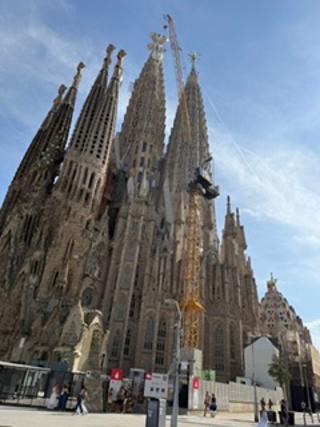
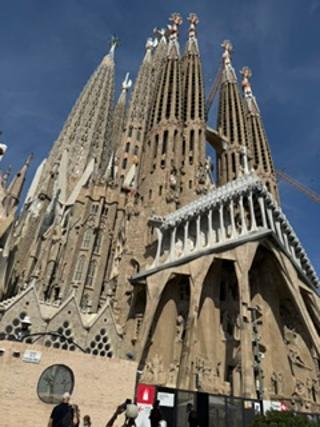
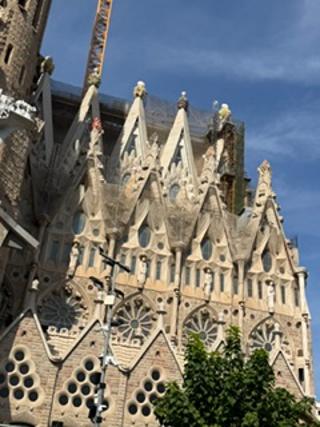
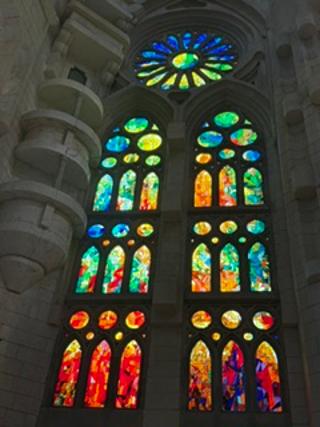
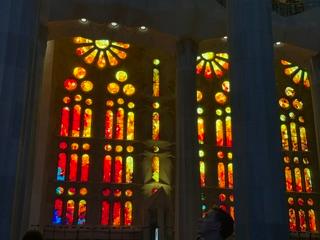
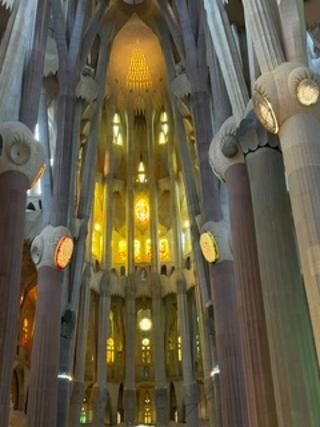
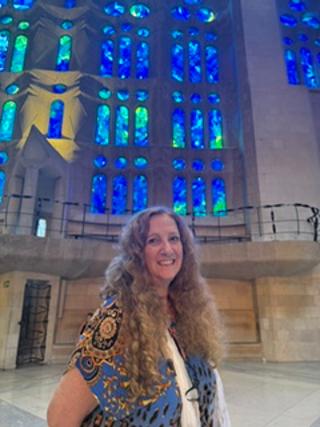
Tuesday – August 18, 2026 – I did the Sagrada tour inside and out. It just is something to behold, pictures do not do it justice. Basílica i Temple Expiatori de la Sagrada Família, or simply Sagrada Família, is a Catholic church under construction in the Eixample district of Barcelona, Catalonia, Spain. Designed by the Catalan architect Antoni Gaudí, it is the tallest church in the world. On 7 November 2010, Pope Benedict XVI consecrated the church and proclaimed it a basilica. In 2005, parts of the Sagrada Família (Nativity façade and Crypt) were declared a UNESCO World Heritage Site, under “Works of Antoni Gaudí“.
On 19 March 1882, construction of Sagrada Família began under the architect Francisco de Paula del Villar. In 1883, when Villar resigned, Gaudí took over as chief architect, transforming the project with his architectural and engineering style, combining Gothic and curvilinear Art Nouveau forms. Gaudí devoted the remainder of his life to the project, and he is buried in the church’s crypt. At the time of his death in 1926, less than a quarter of the project was complete.
Relying solely on private donations, Sagrada Família’s construction progressed slowly and was interrupted by the Spanish Civil War. In July 1936, anarchists from the Iberian Anarchist Federation (Federación Anarquista Ibérica, or FAI) set fire to the crypt and broke their way into the workshop, partially destroying Gaudí’s original plans. In 1939, Francesc de Paula Quintana took over site management, which was able to go on with the material that was saved from Gaudí’s workshop and that was reconstructed from published plans and photographs. Construction resumed with intermittent progress in the 1950s. Advancements in technologies such as computer-aided design and computerised numerical control (CNC) have since enabled faster progress, and construction passed the midpoint in 2010. In 2014, it was anticipated that the building would be completed by 2026, the centenary of Gaudí’s death, but this schedule was threatened by work slowdowns caused by the COVID-19 pandemic.
The central Tower of Jesus Christ reached structural completion on 20 February 2026, when the final piece was installed, and it was inaugurated and blessed by Pope Leo XIV on 10 June 2026 during his visit to Spain, coinciding with the centenary of Gaudí’s death. The tower, with a height of 172.5 m (566 ft), makes the Sagrada Família the world’s tallest church.
Describing Sagrada Família, the art critic Rainer Zerbst said “it is probably impossible to find a church building anything like it in the entire history of art”,[17] and Paul Goldberger describes it as “the most extraordinary personal interpretation of Gothic architecture since the Middle Ages”.
Though sometimes described as a cathedral, the basilica is not the cathedral church of the Archdiocese of Barcelona; that title belongs to the Cathedral of the Holy Cross and Saint Eulalia.
History:
Sagrada Família was inspired by a bookseller, José María Bocabella, founder of Asociación Espiritual de Devotos de San José (Spiritual Association of Devotees of St. Joseph). After a visit to the Vatican in 1872, Bocabella returned from Italy with the intention of building a church inspired by the basilica at Loreto. It was to be an “expiatory temple“, funded entirely by donations from persons seeking to counter a growing rejection of the Catholic Church and its values. The apse crypt of the church was begun on 19 March 1882, on the festival of St. Joseph, to the design of the architect Francisco de Paula del Villar, whose plan was for a Gothic revival church of a standard form. The apse crypt was completed before Villar’s resignation on 18 March 1883, when Antoni Gaudí assumed responsibility for its design, which he changed radically. Gaudí began work on the church in November of 1883 but was not appointed Architect Director until 28 March 1884, the Cathedral of the Paupers, by Joaquim Mir, 1898
20th Century:
On the subject of the extremely long construction period, Gaudí is said to have remarked: “My client is not in a hurry.” When Gaudí died in 1926, the basilica was between 15 and 25 percent complete. After Gaudí’s death, work continued under the direction of his main disciple Domènec Sugrañes i Gras until interrupted by the Spanish Civil War in 1936. Parts of the unfinished basilica and Gaudí’s models and workshop were destroyed during the war. The present design is based on reconstructed versions of the plans that were burned in a fire as well as on modern adaptations. Since 1940, the architects Francesc Quintana, Isidre Puig Boada, Lluís Bonet i Garí and Francesc Cardoner have carried on the work. The illumination was designed by Carles Buïgas. The director until 2012 was the son of Lluís Bonet, Jordi Bonet i Armengol. Armengol began introducing computers into the design and construction process in the 1980s.
21st Century:
New stonework at Sagrada Família (left) is visible against the stained and weathered older sections (right).
The central nave vaulting was completed in 2000 and the main tasks since then have been the construction of the transept vaults and apse. In 2002, the Sagrada Família Schools building was relocated from the eastern corner of the site to the southern corner and began housing an exhibition. The school was originally designed by Gaudí in 1909 for the children of the construction workers.
As of 2006, work concentrated on the crossing and supporting structure for the main steeple of Jesus Christ as well as the southern enclosure of the central nave, which will become the Glory façade. Computer-aided design technology has allowed stone to be shaped off-site by a computer numerical control milling machine, whereas in the 20th century the stone was carved by hand. In 2008, some renowned Catalan architects advocated halting construction to respect Gaudí’s original designs, which, although they were not exhaustive and were partially destroyed, have been partially reconstructed in the early 21st century.
Since 2013, AVE high-speed trains have passed near Sagrada Família through a tunnel that runs beneath the centre of Barcelona. The tunnel’s construction, which began on 26 March 2010, was controversial. The Ministry of Public Works of Spain (Ministerio de Fomento) said the project posed no risk to the church. Sagrada Família engineers and architects disagreed, saying there was no guarantee that the tunnel would not affect the stability of the building. The Board of the Sagrada Família (Patronat de la Sagrada Família) and the neighborhood association AVE pel Litoral (AVE by the Coast) led a campaign against this route for the AVE, without success. In October 2010, the tunnel boring machine reached the church underground under the location of the building’s principal façade. Service through the tunnel was inaugurated on 8 January 2013. Track in the tunnel makes use of a system by Edilon Sedra in which the rails are embedded in an elastic material to damp vibrations.
The main nave was covered, and an organ was installed in mid-2010, allowing the still-unfinished building to be used for liturgies. The church was consecrated by Pope Benedict XVI on 7 November 2010 in front of a congregation of 6,500 people. A further 50,000 people followed the consecration Mass from outside the basilica, where more than 100 bishops and 300 priests were on hand to distribute Holy Communion.
Japanese artist Etsuro Sotoo working in a gypsum workshop in 2010 for sculptures to this church. In 2012, Barcelona-born Jordi Faulí i Oller took over as architect of the project. Mark Burry of New Zealand serves as Executive Architect and Researcher. Sculptures by J. Busquets, Etsuro Sotoo and Josep Maria Subirachs decorate the fantastical façades.
Chief architect Jordi Faulí announced in October 2015 that construction was 70 percent complete and had entered its final phase of raising six immense steeples. Those steeples and most of the church’s structure were planned to be completed by 2026, the centennial of Gaudí’s death; as of a 2017 estimate, decorative elements should be complete by 2030 or 2032. Visitor entrance fees of €15 to €20 finance the annual construction budget of €25 million. Completion of the structure will use post-tensioned stone.
Starting on 9 July 2017, an international mass is celebrated at the basilica every Sunday and holy day of obligation, at 9 a.m., and is open to the public (until the church is full). Occasionally, Mass is celebrated at other times, where attendance requires an invitation. When masses are scheduled, instructions to obtain an invitation are posted on the basilica’s website. In addition, visitors may pray in the chapel of the Blessed Sacrament and Penitence.
The stone that was originally used in the construction came from Montjuïc, but as quarrying progressed to deeper levels, the stone became increasingly fragile and an alternative source had to be found. Since 2018, stone of the type needed to complete the construction has been sourced from the Withnell Quarry in Brinscall, near Chorley, England.
On October 30, 2025, Sagrada Família became the world’s tallest church after a part of its central tower was lifted into place and reached 162.91 m, surpassing Ulm Minster (161.53 m). The tower reached its full height of 172.5 m on 20 February 2026. The tallest central spire (reaching 172.5 meters) represents Jesus Christ. Gaudí specifically designed this tower to be one metre shorter than Barcelona’s Montjuïc hill, believing that his man-made creation should not surpass God’s natural work. On 10 June 2026, Pope Leo XIV blessed and inaugurated the completed Tower of Jesus Christ at the basilica during his visit to Spain, coinciding with the centenary of Antoni Gaudí’s death.
When I think of the fact that Antoni Gaudi thought up all of the details in this cathedral it is just astounding. This is a site not to be missed.
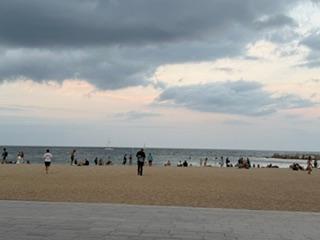
I went to the W Hotel down at the beach and went to a lively spot Gallito. The food was great and there is just so many things happening at the beach communities in Barcelona, you have got to go when you’re traveling, and it was so much fun seeing all of the beautiful people in Barcelona at the beach.
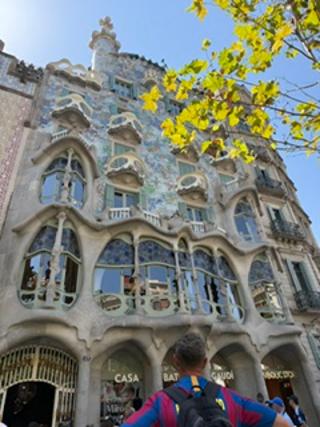
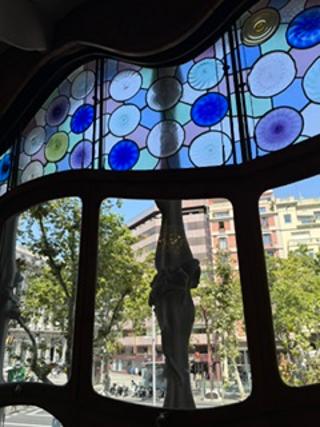
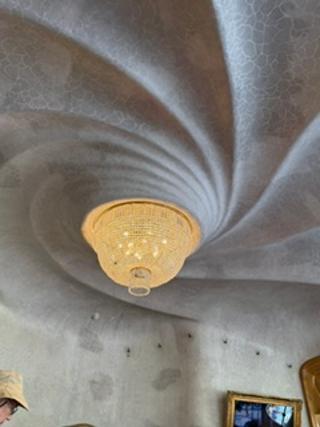
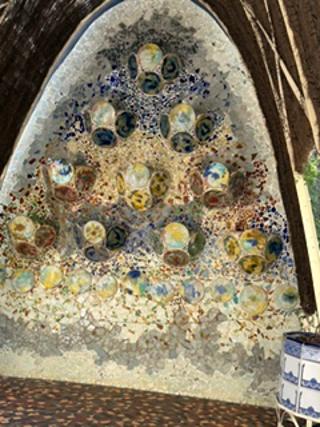
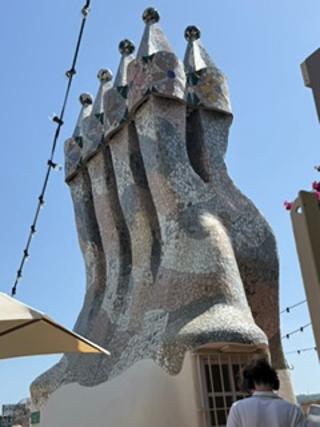
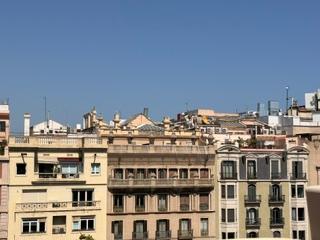
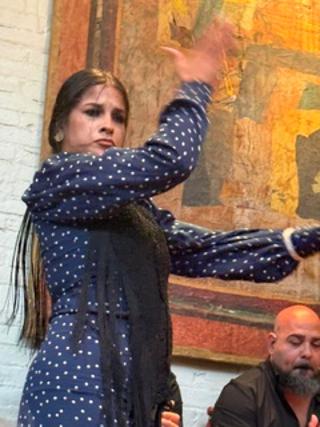
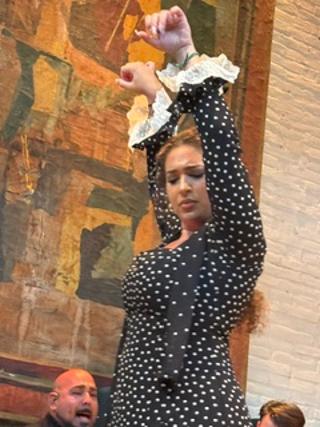
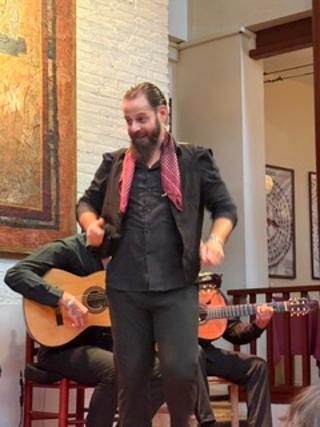
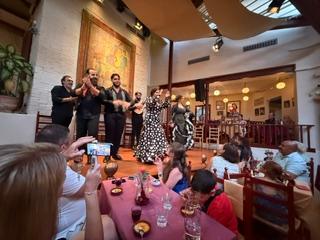
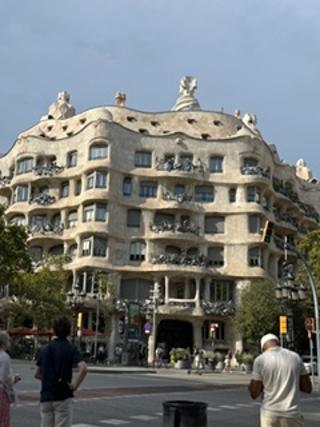
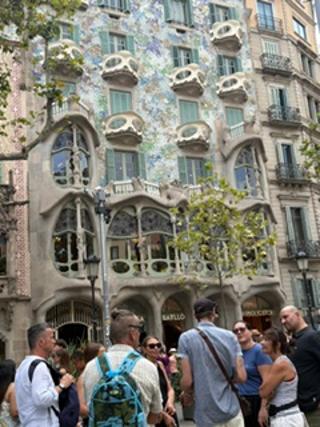
Wednesday – August 19, 2026 – I went out to the Gaudi residence Battlo and did a tour, then went to the top and had a cappuccino. I toured around the area which has very high-end stores. Then we raced home to get dressed for my last night of Flamenco. The dinner was delicious. three appetizers, salad, gazpacho and then fish and steak. The dancers were all very young. They had three singers, three guitars and four dancers, all were very talented and made for a great entertaining experience. Dancers: Maria Martin, Tere Salazar, Alba Rubio, Joni Cortés. Singers: Mariano Santiago, Antonio Cortés, Chel de la Miguela. Guitars: Falete Perona, Carlos López, and Miguel Rasero. The whole night was very reminiscent of my time at La Bodega with my dad Phil in San Francisco. He loved Flamenco and this was his spot to eat Paella and watch great guitar and flamenco dancing. He was in the room with me at Pablao Di Carmen that night.
Thursday – August 20, 2026. Coming back on American Airlines was a real horror story, I am not going to get into all of it but just say that the delays were so bad and I will never fly this airline again. I am happy to be home, but the flights back were long, uncomfortable, arduous, and could have been made so much nicer with a little bit of TLC from their staff. Traveling can be very tiring, it was good to have my travel companion with me, to compare stories and experience some of these great adventures. If you get the opportunity to travel to Europe, bring an open mind and a very full wallet, you too will have the time of your life.
*Some Content Was Taken off of Various Websites.